
The Body as Memory, Identity and Resistance
Our body is a world. It is the first place we inhabit, the territory in which experiences, desires, fears, wounds and achievements are inscribed. Since ancient times, representations of the body and its individual parts have carried symbolic, ritual and auspicious meanings. Anatomical fragments become amulets, ex-votos and protective objects through which we seek to ward off fears, invoke miracles and celebrate love, fertility and life. With Indossati Ancora, Sarah Bowyer revisits this symbolic language and reinterprets it through a contemporary perspective. Her small bronze sculptures are not simply pieces of jewellery, but fragments of a human narrative, holding thoughts, personal convictions, individual achievements and shared struggles.
The choice of bronze, an ancient alloy that runs through the history of art and civilisation, strengthens the connection between past and present. By shaping the material, the artist translates experiences and reflections into a vocabulary of bodily symbols. Each work contains a message, intimate or provocative, which becomes a personal statement through the act of wearing it.
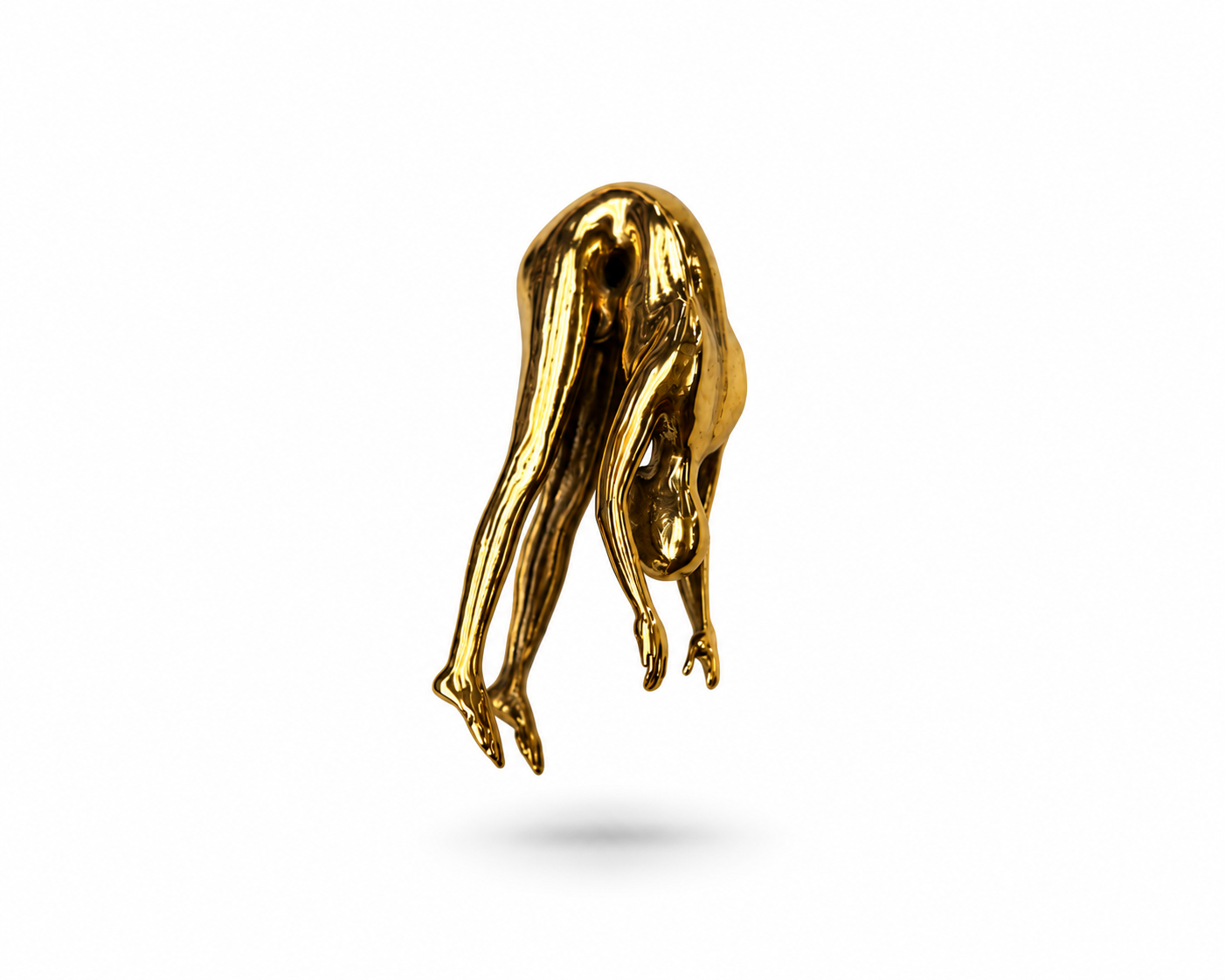
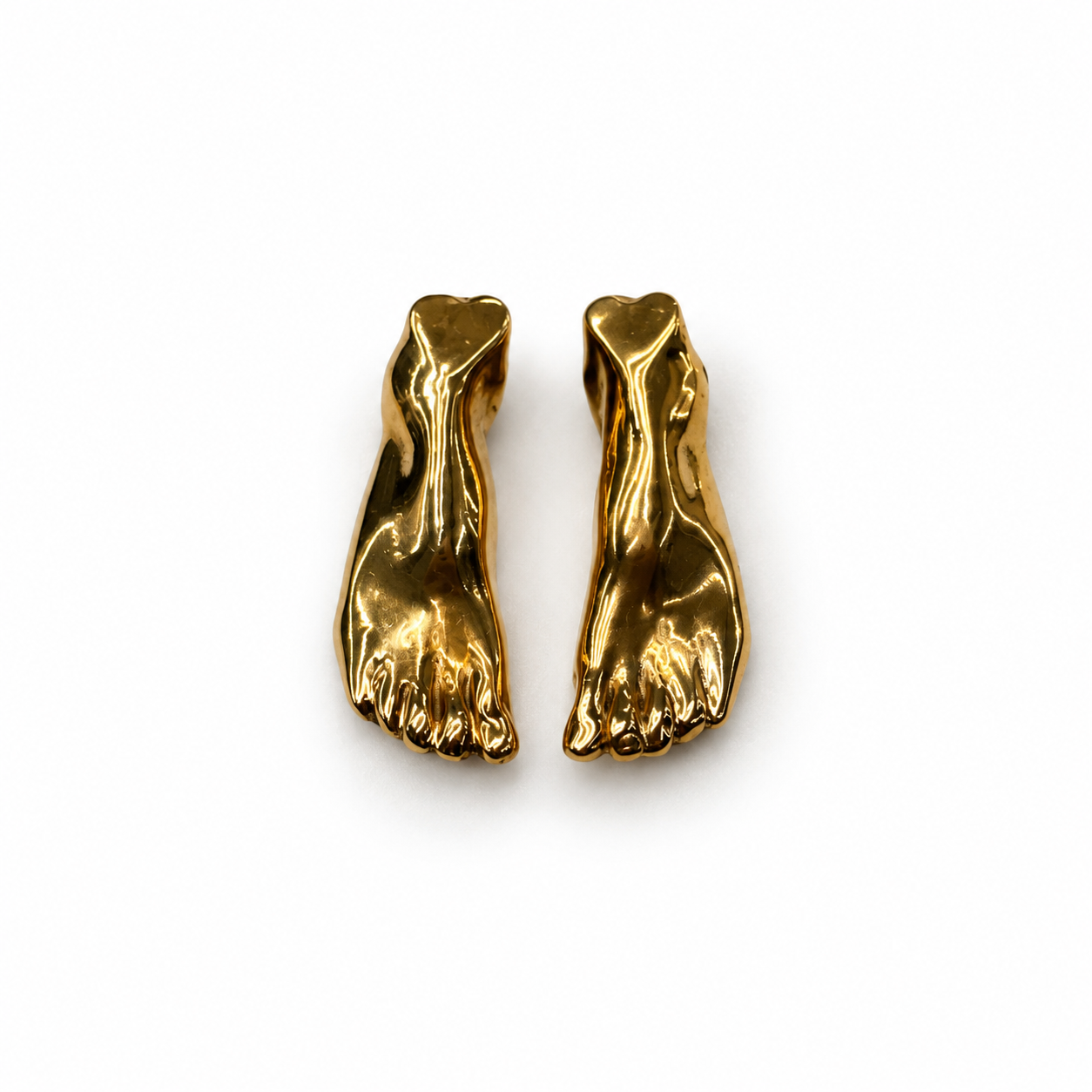
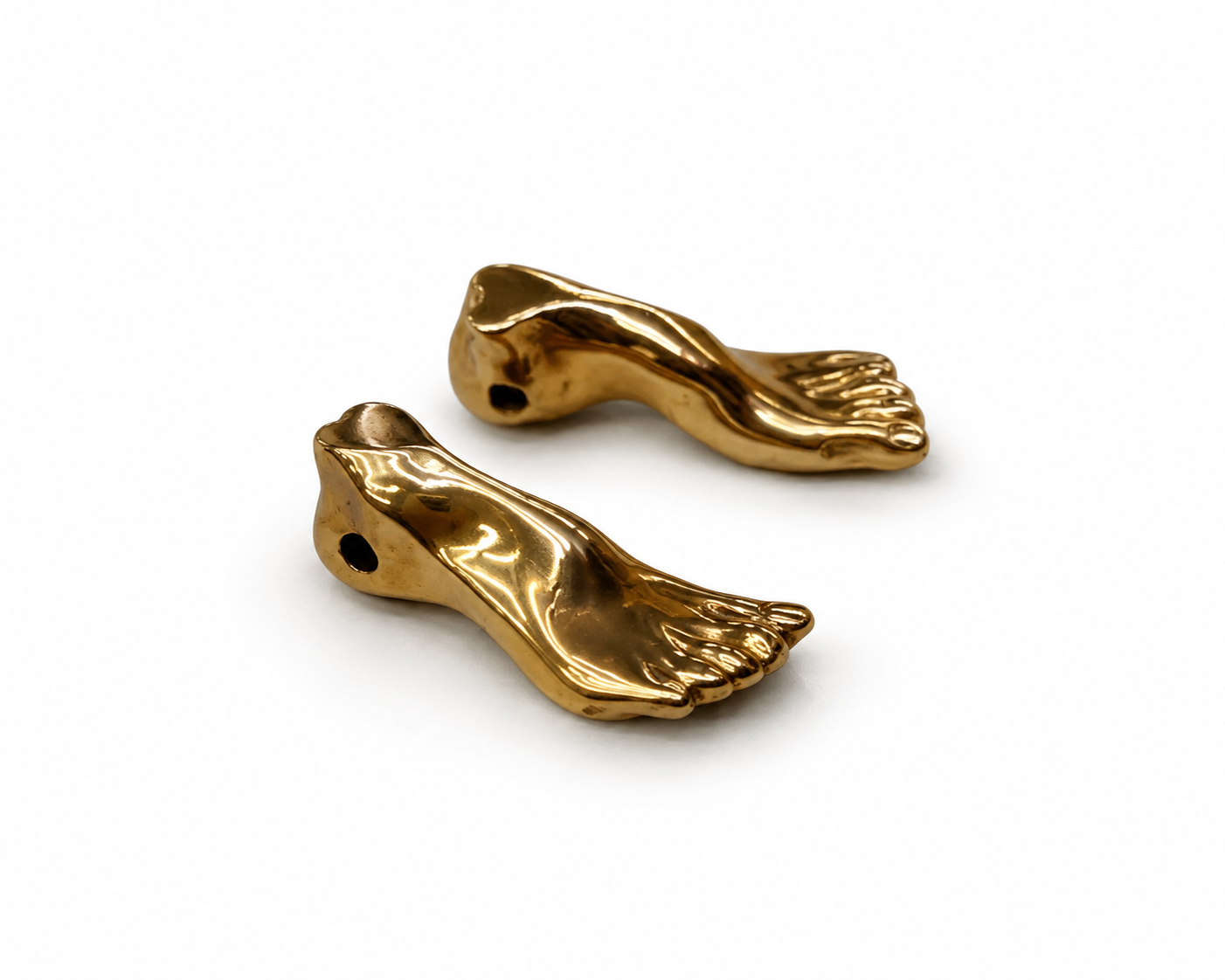
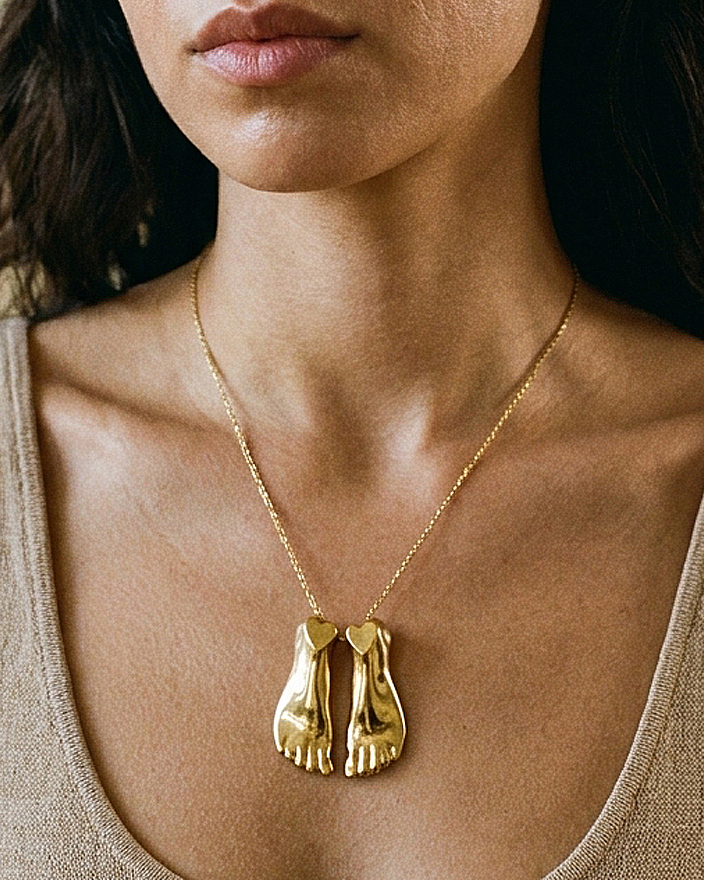
Radici (Roots) speaks of belonging, memory and the connection to one’s origins, but also of the need to break away from them in order to learn to fly. The heart-shaped cross-section visible at the severed ankle suggests that separation does not mean denying where we come from.
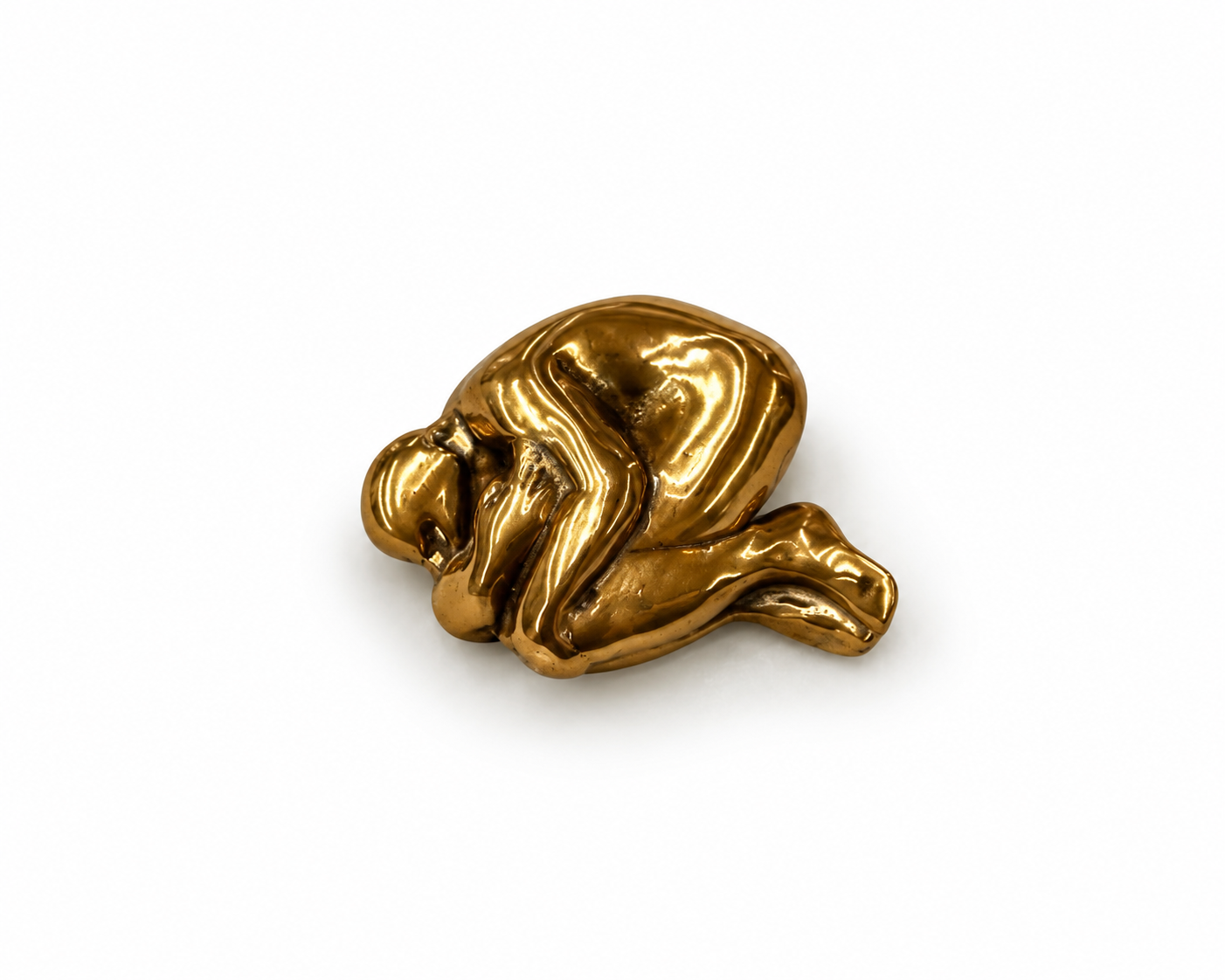
Feto Saggio (Wise Foetus), in its essential simplicity, evokes the mystery of life yet to unfold, the potential of existence and a primordial wisdom that precedes experience. The body curled in upon itself suggests care, introspection and a return to one’s inner world. An invitation to pause, rediscover our centre and acknowledge the sacred nature of an intimate space, in a world that constantly demands our attention and pulls us in different directions.
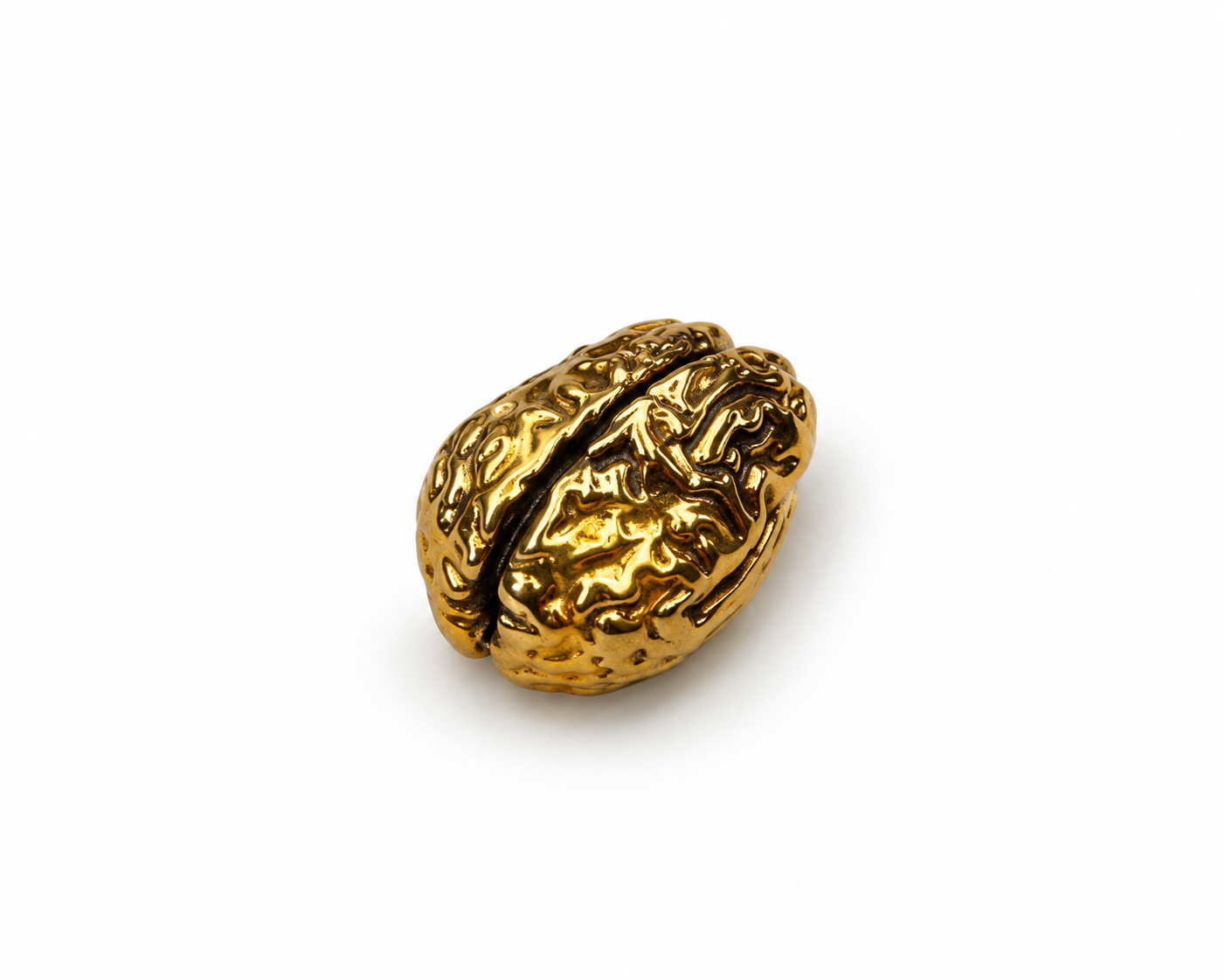
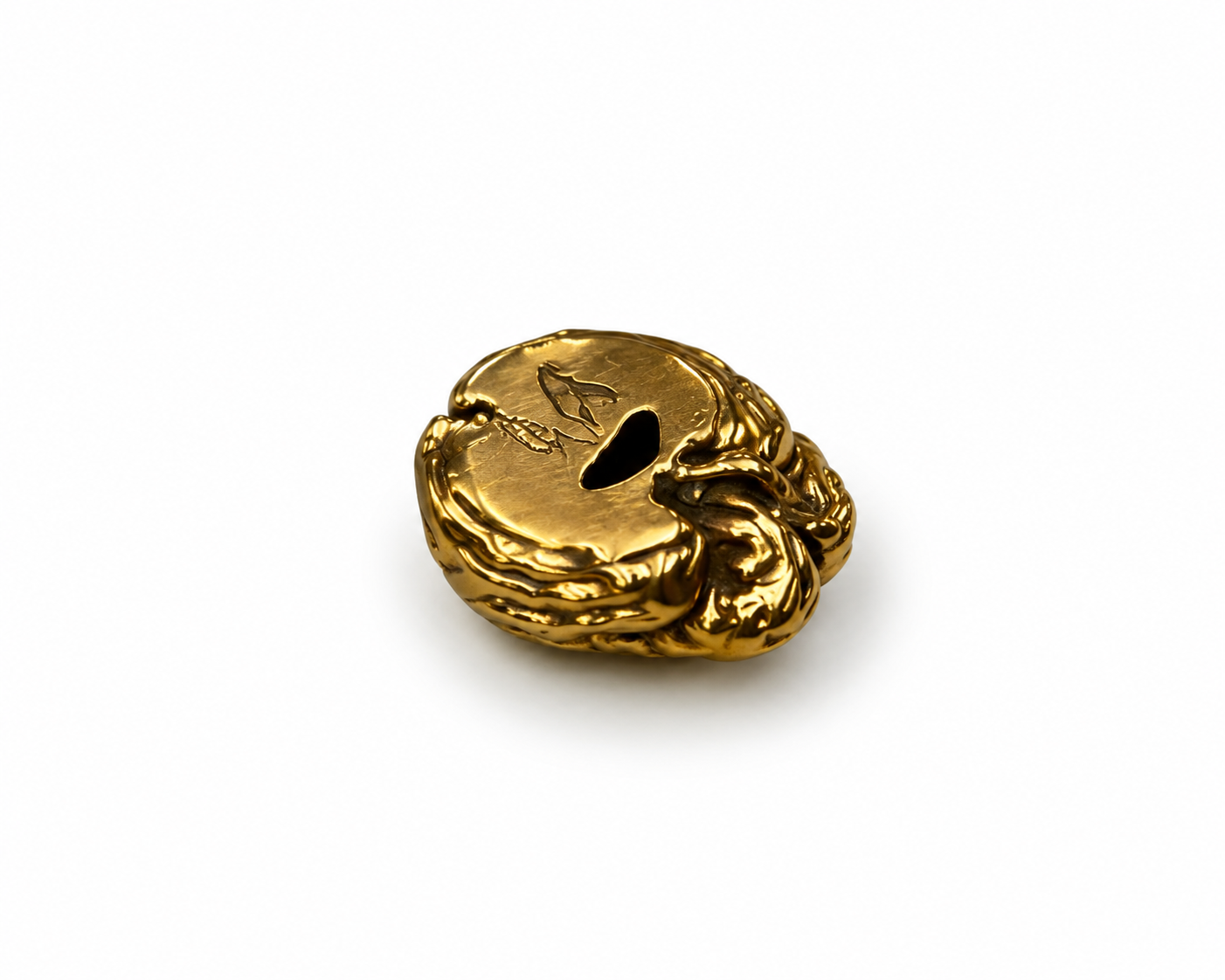
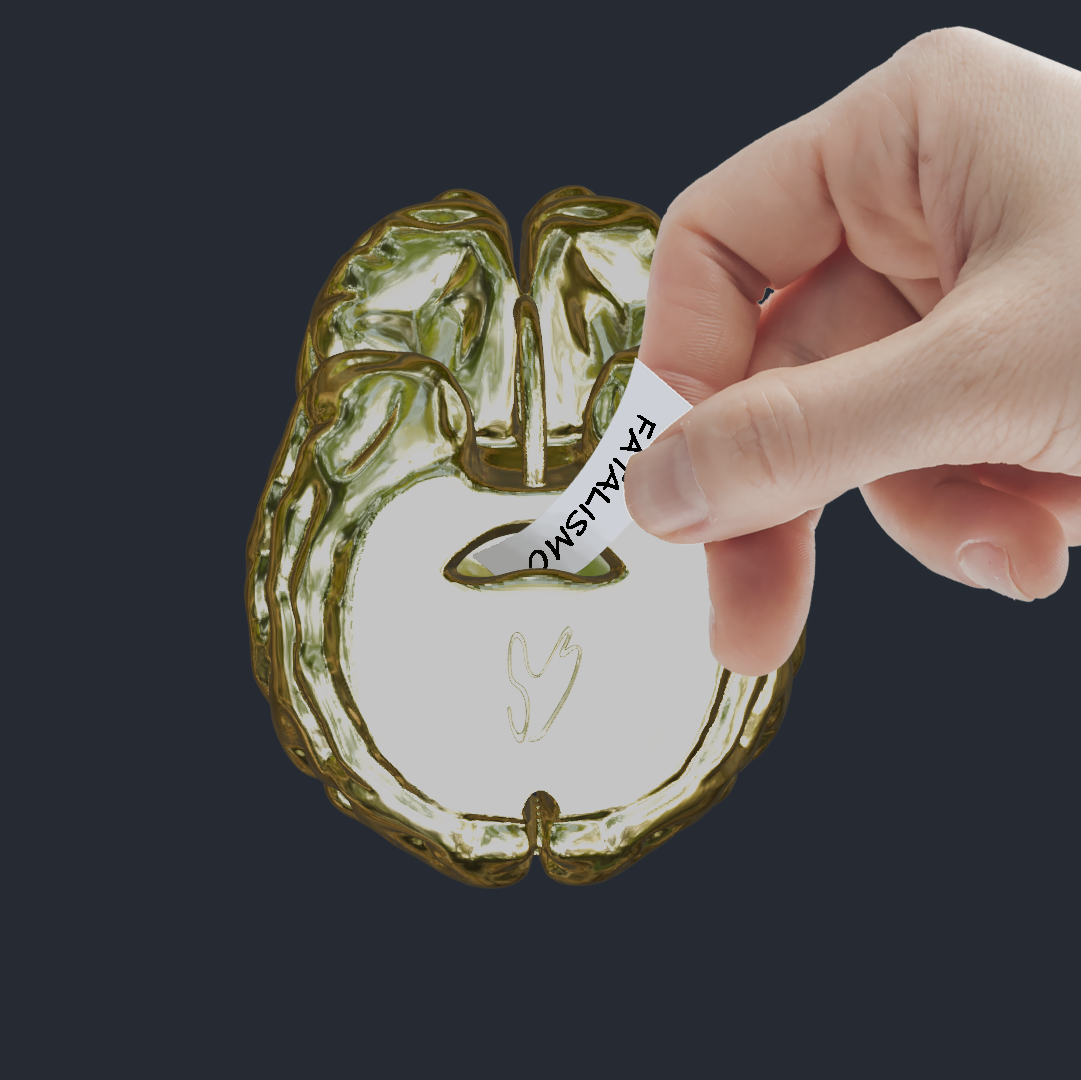
Brain celebrates freedom of thought and the ability to consciously shape one’s own destiny. A small opening in the brain allows a seed, real or symbolic, to be placed inside, transforming the sculpture into a personal talisman. An invitation to nourish the mind with great thoughts, because we can scarcely venture beyond the boundaries of what we are able to imagine.
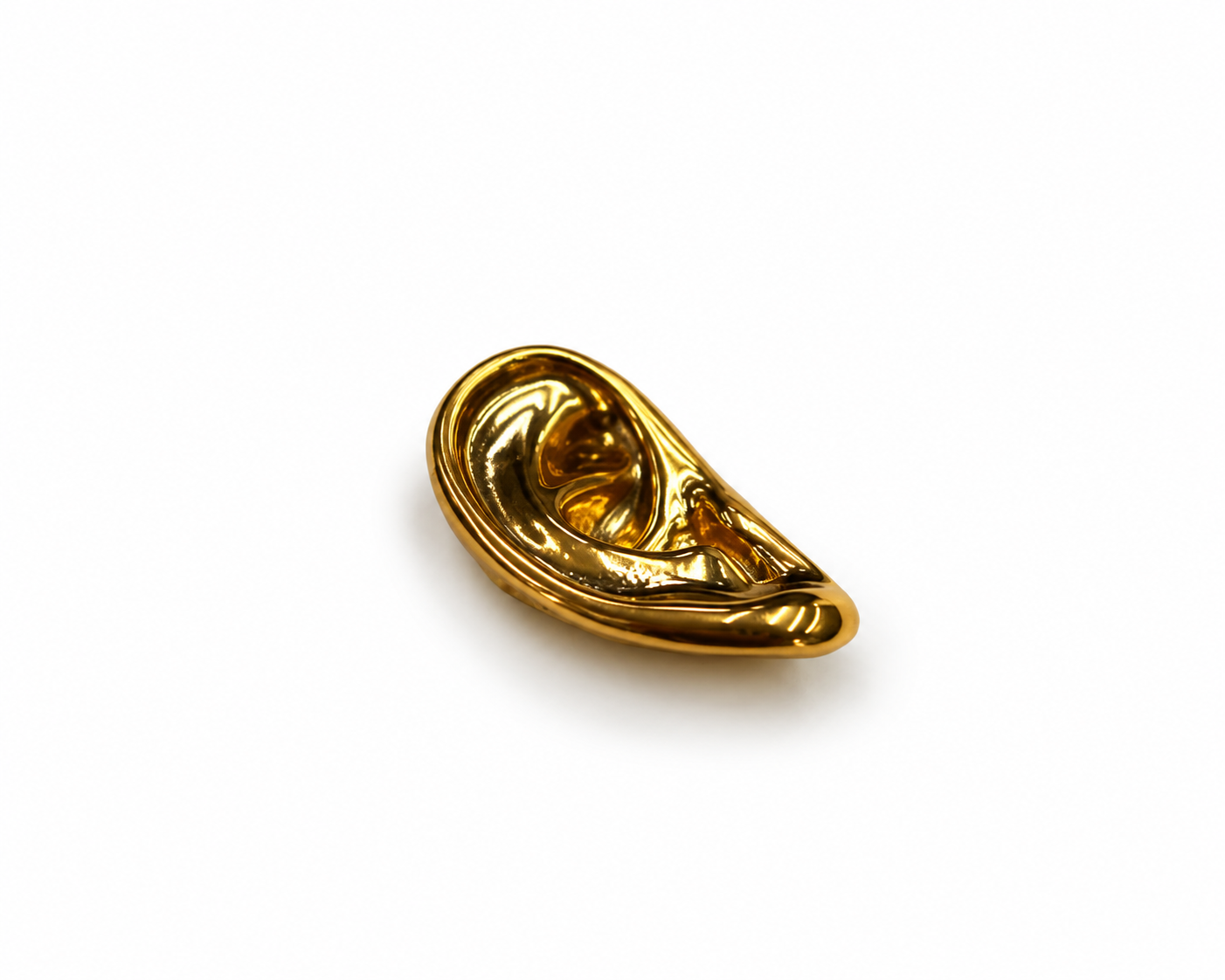
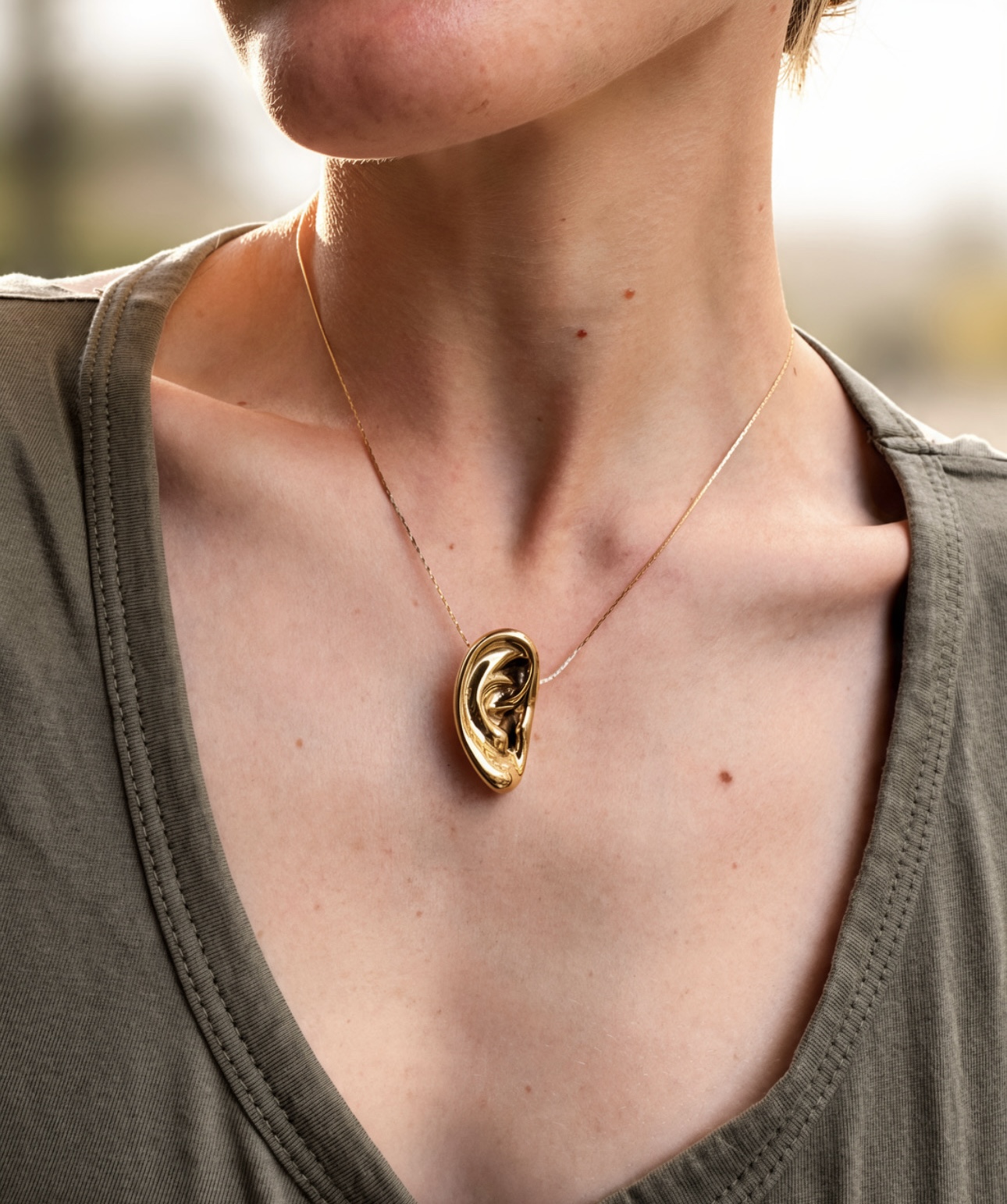
L’ascoltatore (The Listener) transforms an ear into a symbol of openness towards others. To listen is to acknowledge, to welcome, to establish a connection. An act of mutual care, to be offered especially when we ourselves are most in need of it.
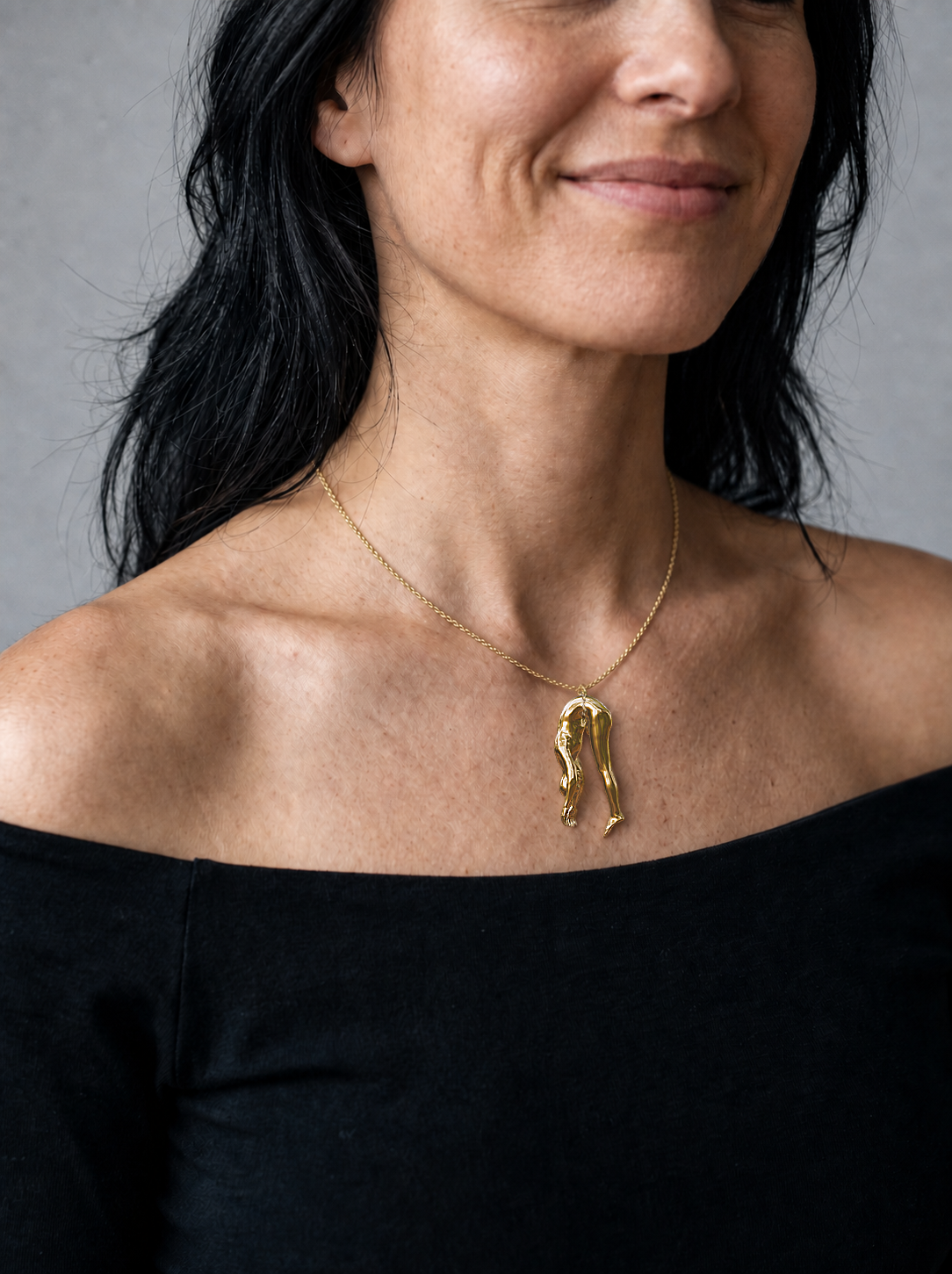
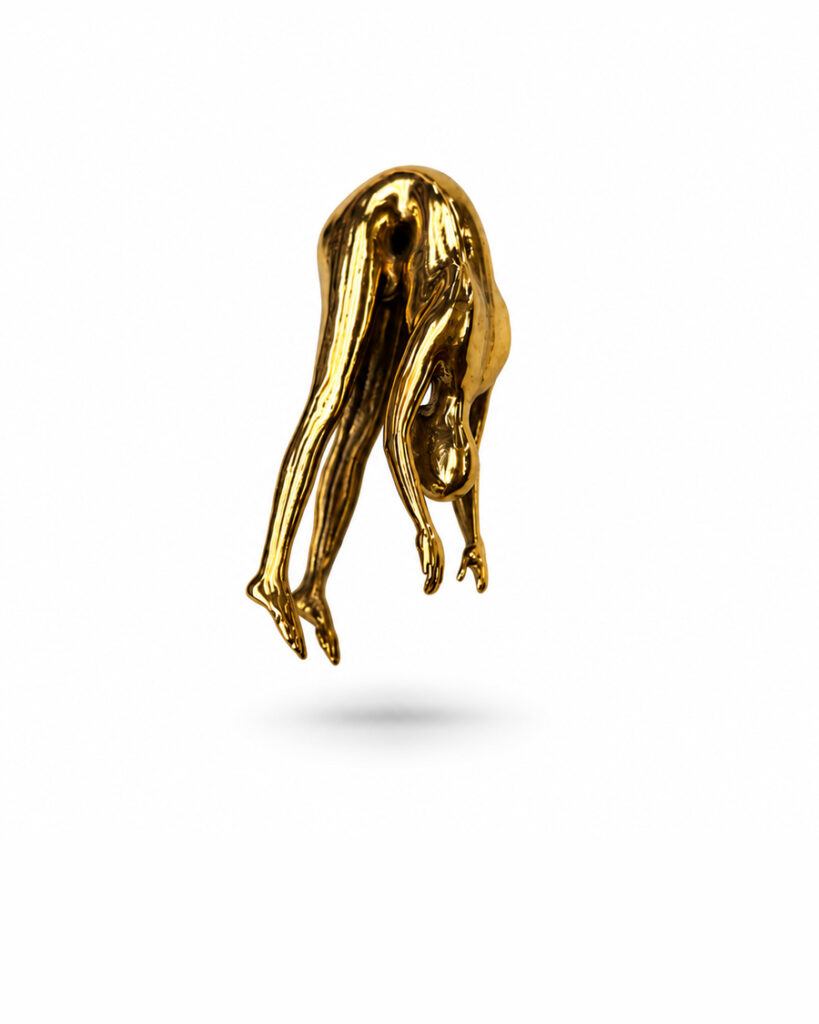
Hung It addresses the experience of surviving a relationship with a malignant narcissist. The hanging body becomes a metaphor for an existence suspended, constrained and deprived of its freedom. To wear it is to make a wound visible, but above all to bear witness to the strength of someone who has managed to escape oppression.
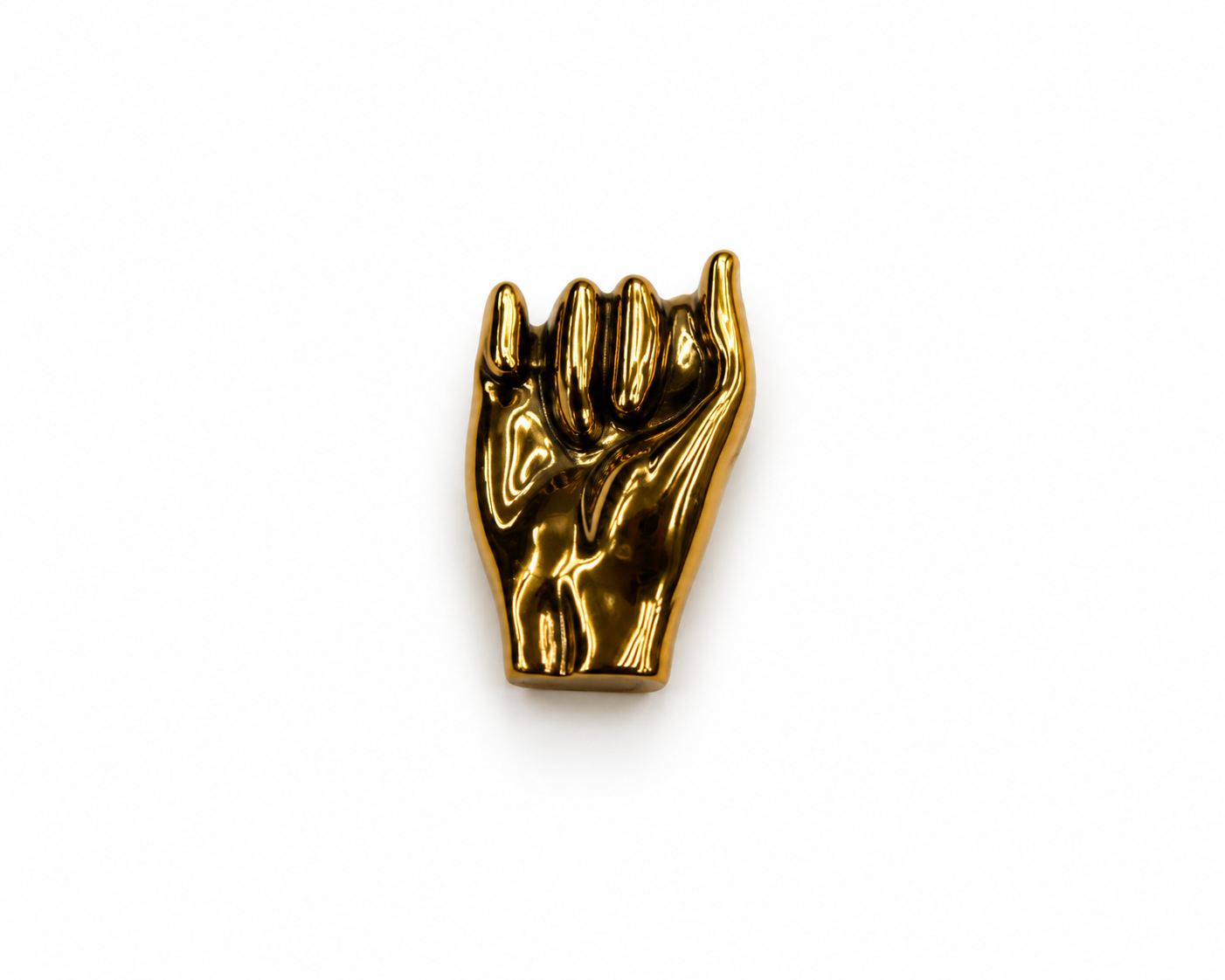
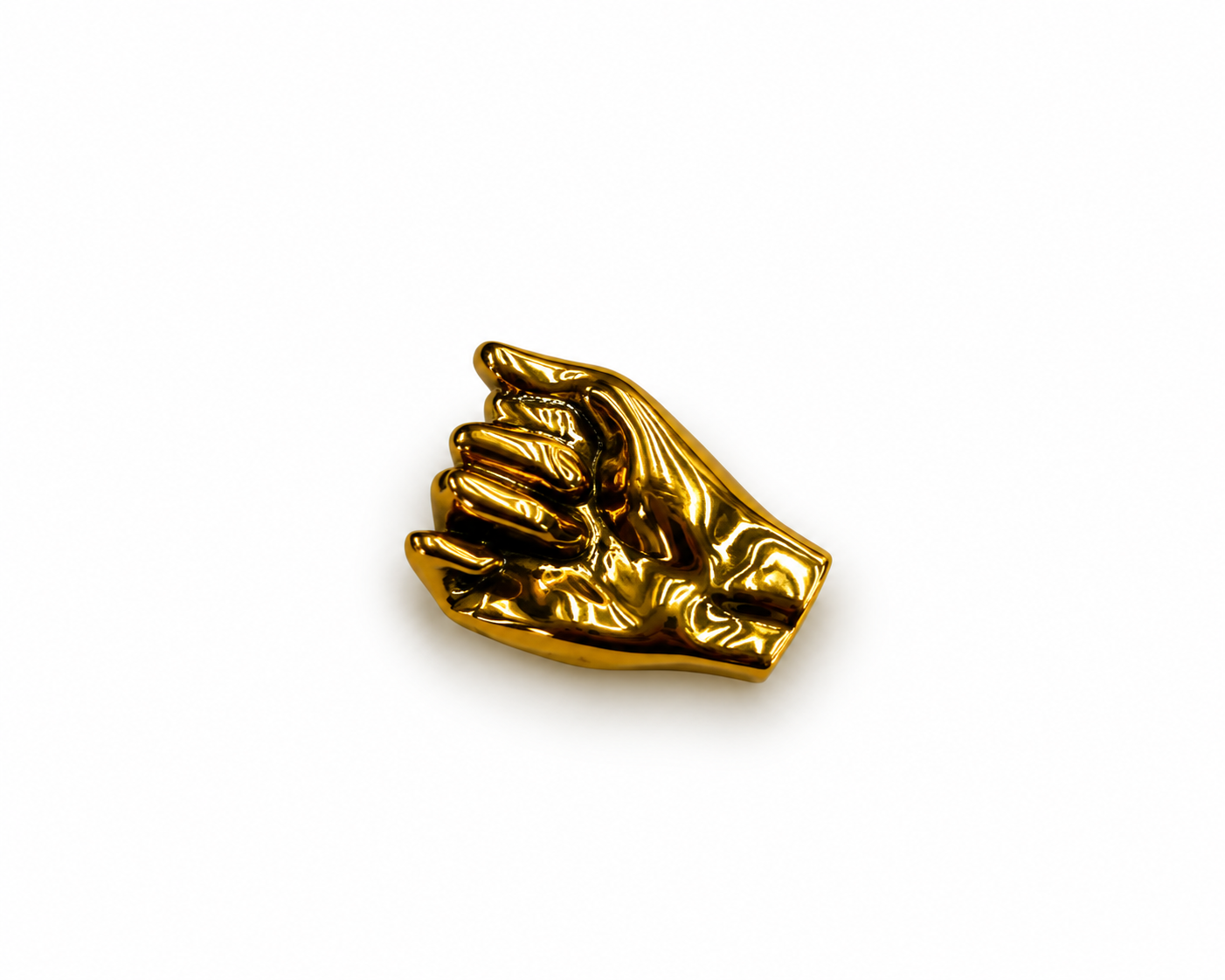
Freedom represents liberation from a persecutory relationship. The hand, traditionally associated with touch and protection, takes on the opposite meaning here: possession, control and domination. Its separation from the persecutor’s body becomes a symbolic act of emancipation. When freeing ourselves from someone who holds us captive, we need not worry if, in escaping their grip, we take their hand with us. The deliberately provocative image reverses the balance of power: what once held us back becomes a small trophy of freedom, an affirmation of the right to defend ourselves and break a bond without guilt.
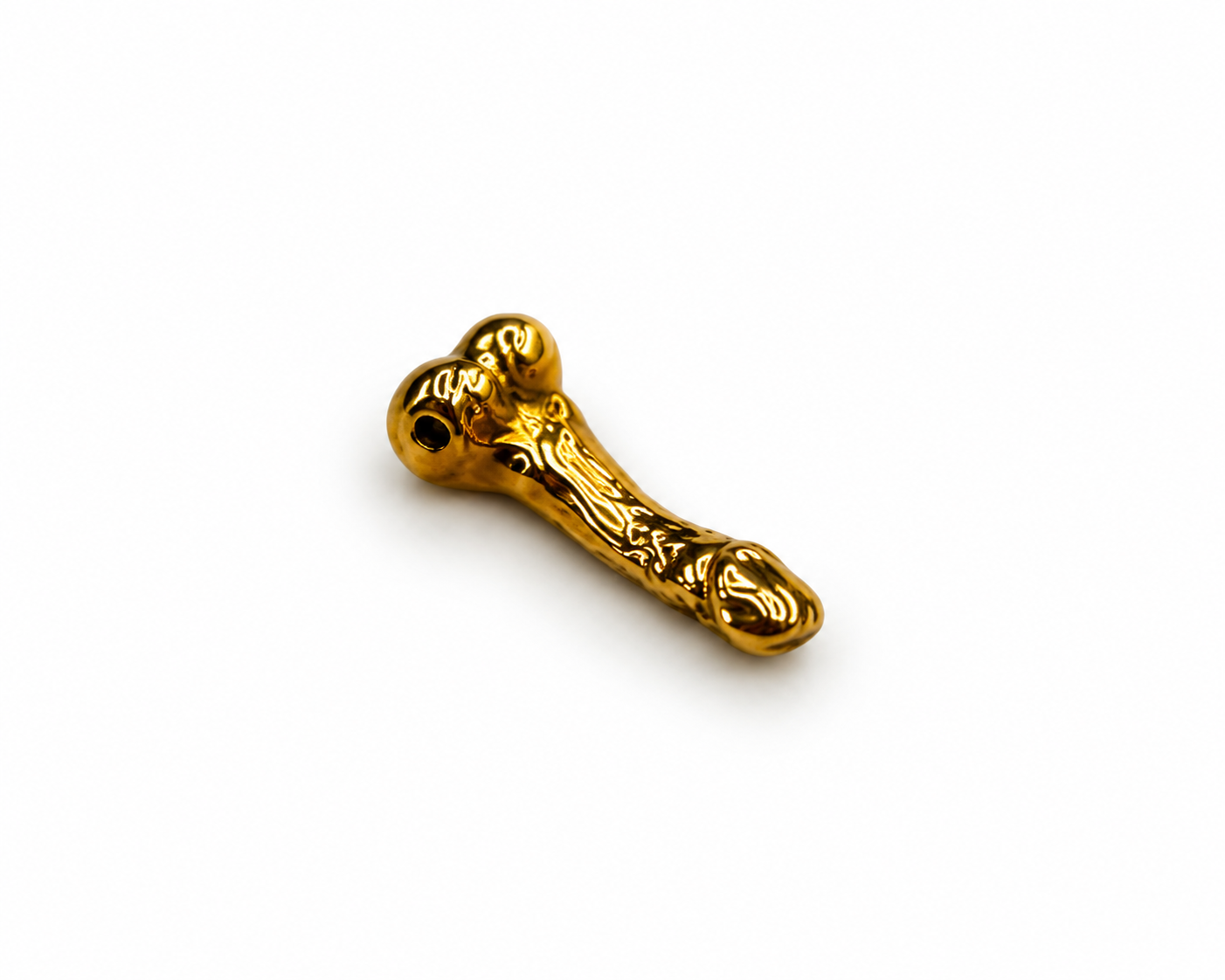
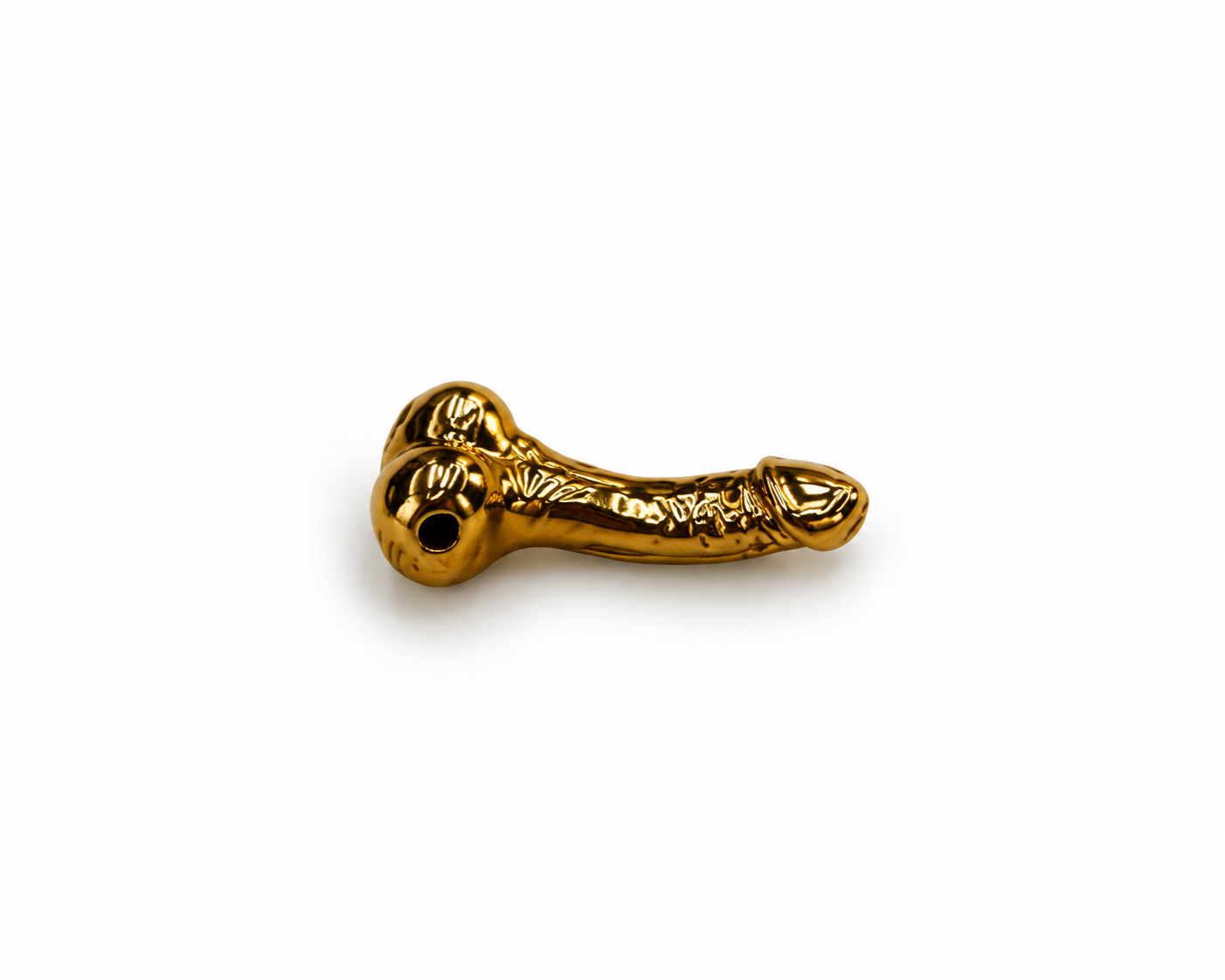
Female Pride strips the representation of the penis of the meanings traditionally associated with male power. The small fetish becomes a provocative object, to be worn with irony, courage and feminine pride. A symbolic reversal that questions the relationship between the body, sexuality, identity and power.
The works emerge from the artist’s personal reflections, yet open themselves to a collective dimension.
Each of us may recognise something of our own story in them, attribute new meanings to them, and transform them into symbols of lived experiences or principles we believe in.
Jewellery thus transcends its ornamental function and becomes wearable sculpture, an object of affirmation and memory, a kind of secular, contemporary ex-voto, no longer addressed to a deity but to one’s own existence.
A life-affirming energy runs through these creations, an exhortation to participate fully in life while embracing its contradictions. Birth and loss, thought and desire, sexuality and freedom, vulnerability and resistance coexist in a narrative composed of small bodily fragments.
Indossati Ancora invites us to reclaim our bodies and our stories, acknowledging what we have been and what we may yet become. To wear these sculptures is to carry into the world a thought, a conviction, a desire or a wound transformed into strength.
Ultimately, it means consciously wearing who we are.
Enrica Benedetto
Would you like to receive the latest news, upcoming events
and lots of interesting facts about the artists I collaborate with?
Subscribe to the newsletter